
Optimal Timing for Grading Services
Gradings are an essential part of many industries, including construction, landscaping, and agriculture. They help assess soil quality, determine project readiness, and ensure compliance with standards. Timing of gradings can significantly impact project outcomes, safety, and cost efficiency.
Spring and fall are generally considered the best seasons for grading activities due to moderate weather and soil conditions.
Dry periods with minimal rainfall prevent soil compaction and allow for more accurate grading results.
Scheduling gradings before major construction phases ensures a stable foundation and reduces delays.
Ideal soil moisture levels are crucial; overly wet or dry soil can hinder proper grading.
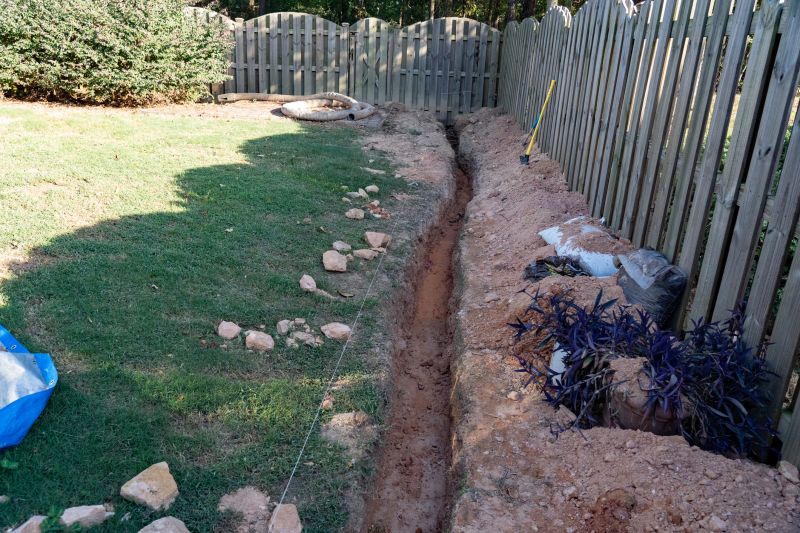
Spring offers optimal soil conditions for grading projects.
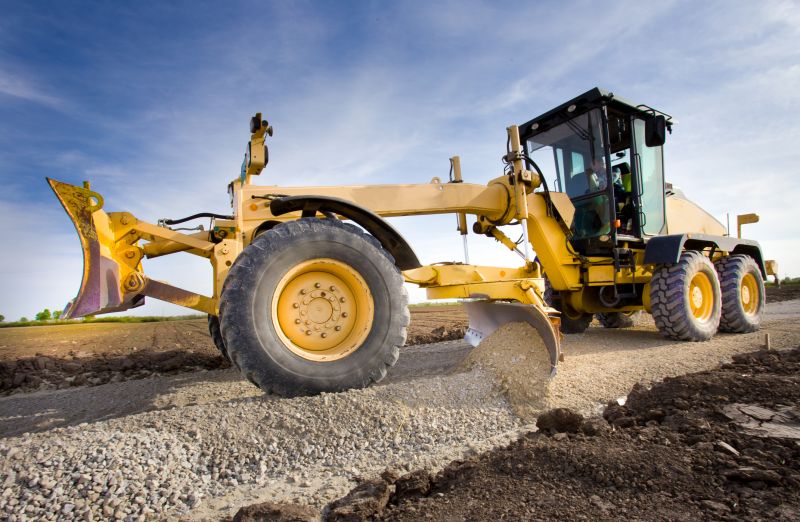
Summer may pose challenges due to dry or hot weather, but can be suitable in cooler regions.
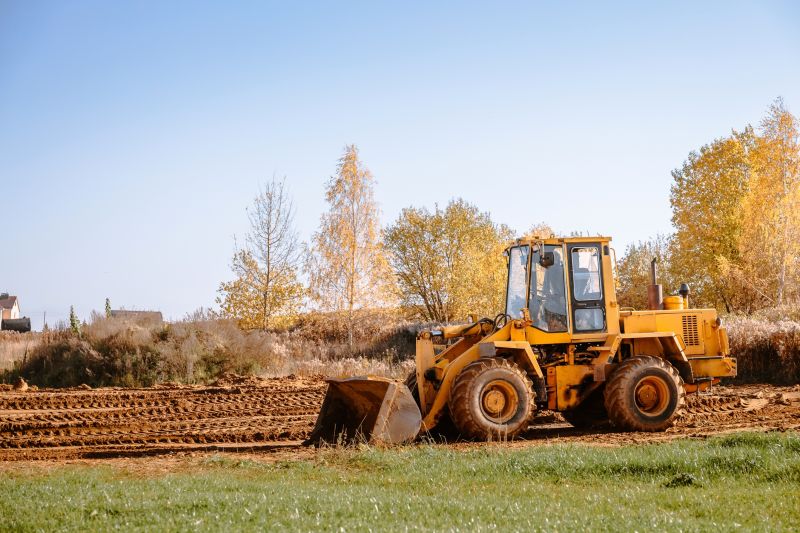
Fall provides favorable conditions with cooler temperatures and stable soil moisture.
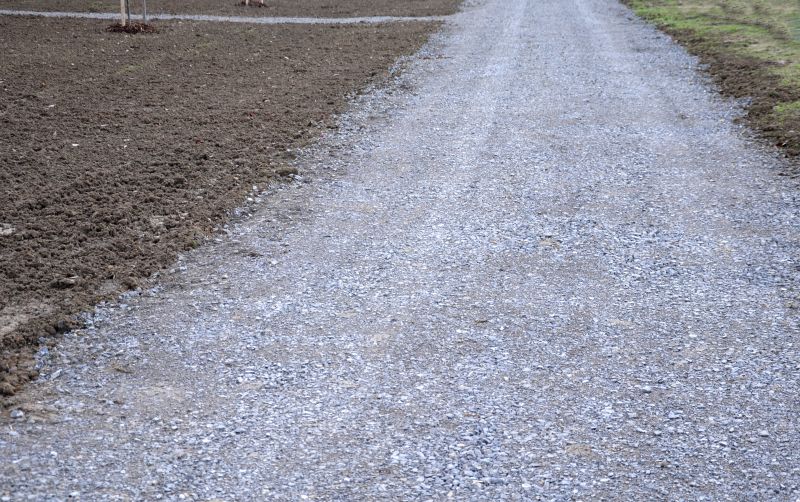
Ways to make Gradings work in tight or awkward layouts.
Popular materials for Gradings and why they hold up over time.
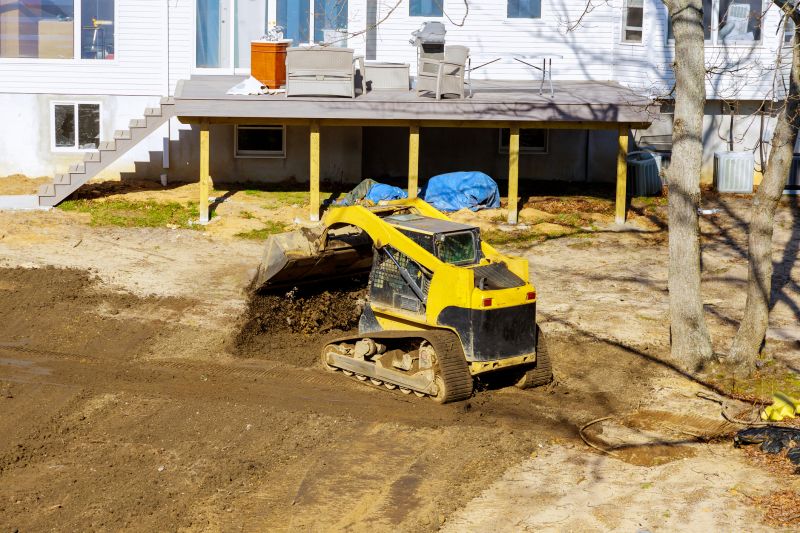
Simple add-ons that improve Gradings without blowing the budget.

High-end options that actually feel worth it for Gradings.
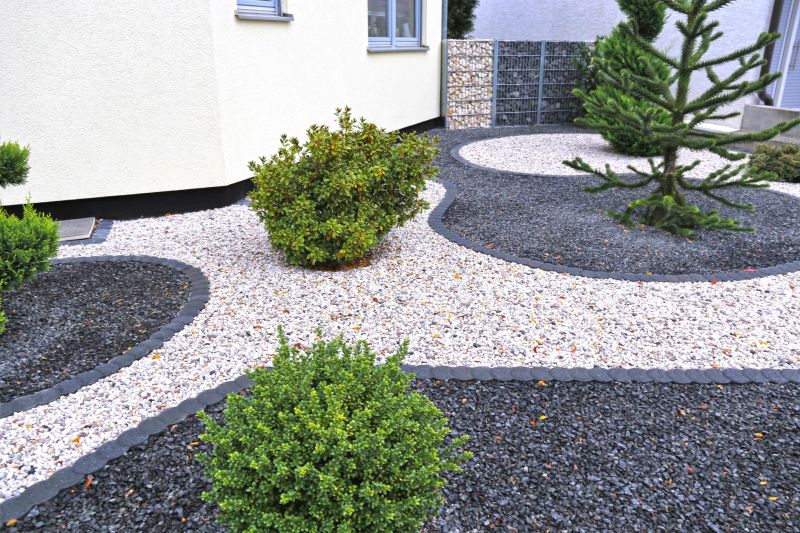
Finishes and colors that play nicely with Gradings.
| Season | Ideal Conditions |
|---|---|
| Spring | Moderate temperatures, moist soil, lower rainfall |
| Summer | Warmer temperatures, dry soil, higher risk of drought |
| Fall | Cooler temperatures, stable moisture, less rain |
| Winter | Cold temperatures, frozen ground, limited activity |
Gradings are a critical step in preparing land for construction, landscaping, or agricultural use. Proper timing ensures accurate assessments and optimal results. Factors such as weather, soil moisture, and project schedules should be carefully considered to determine the best timing for grading activities.
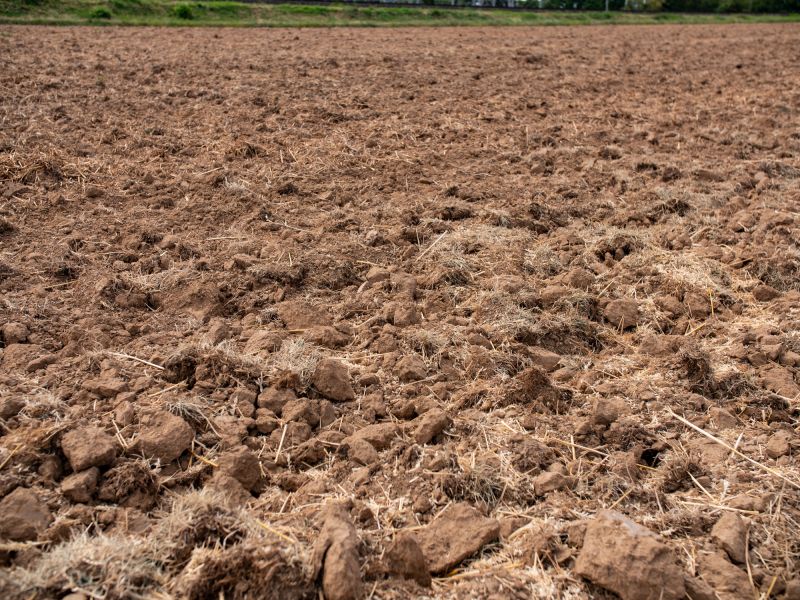
Proper soil preparation enhances grading accuracy.
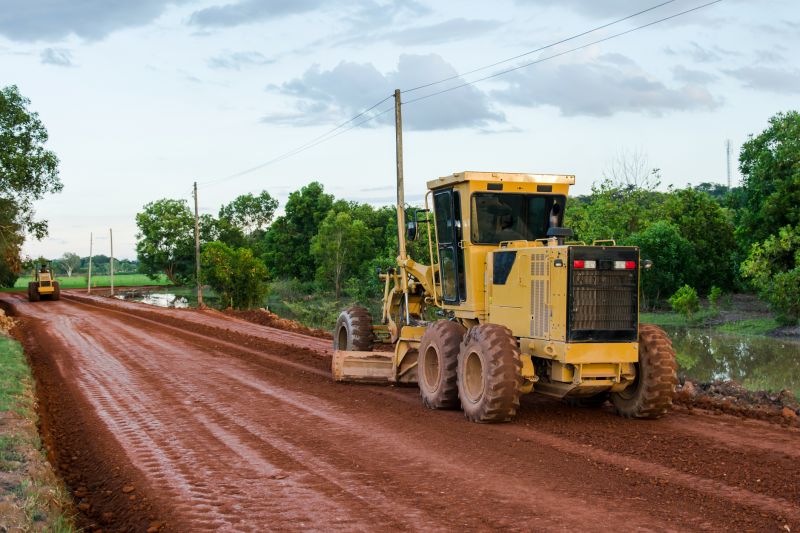
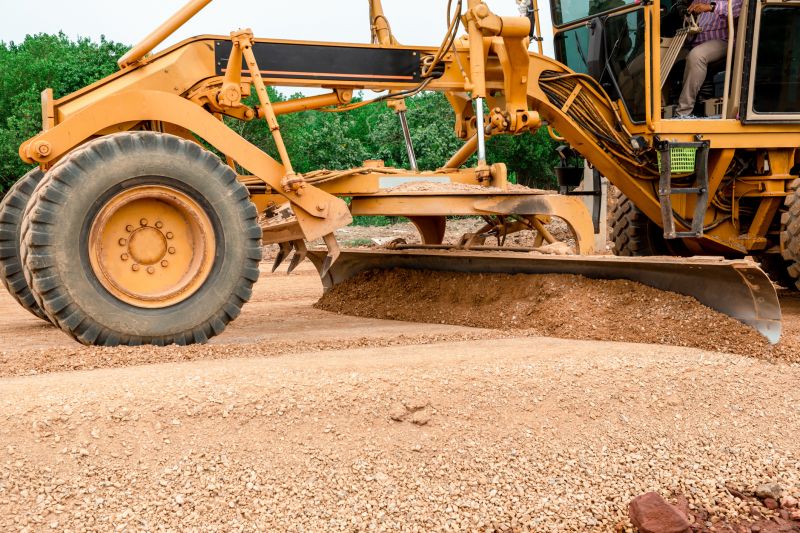
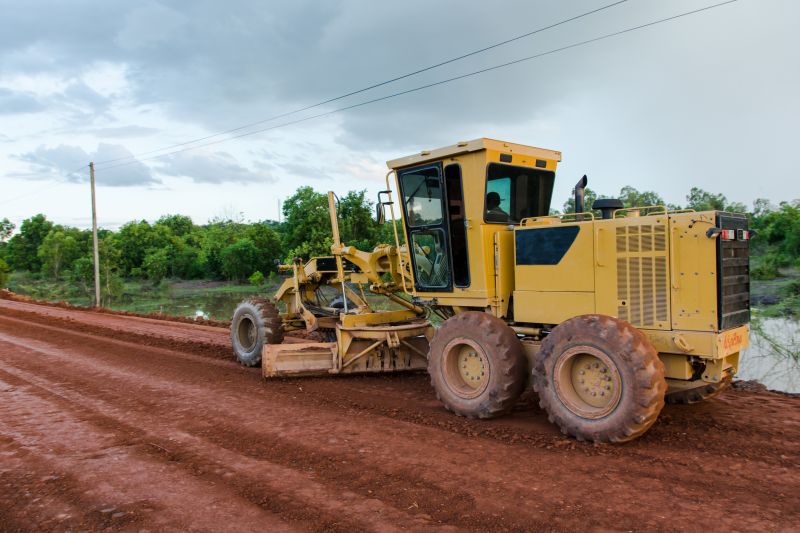
Modern grading equipment ensures efficiency and precision.
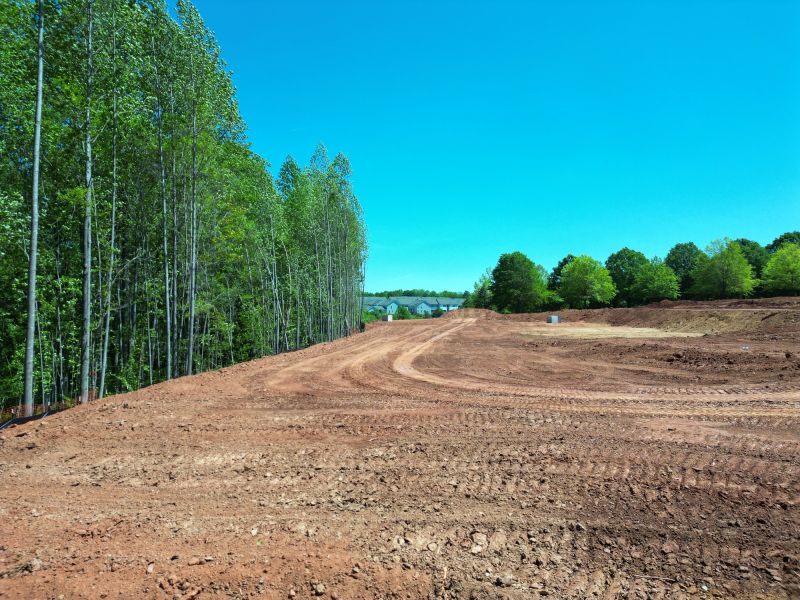
Initial land assessment is vital before grading begins.
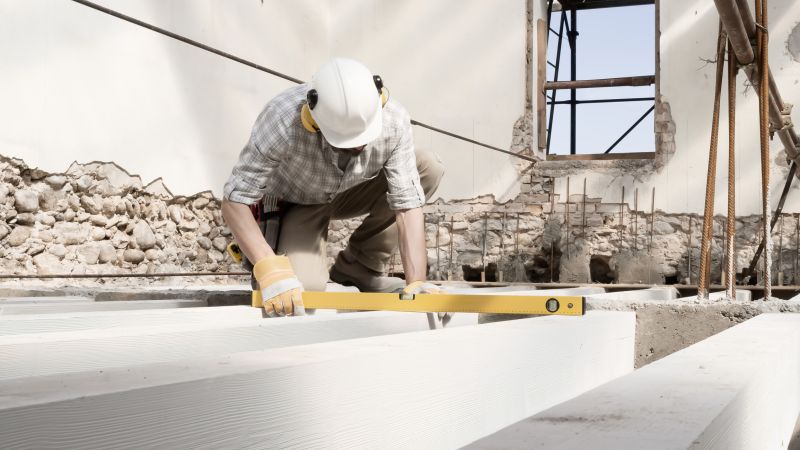
Well-executed grading provides a solid foundation for projects.
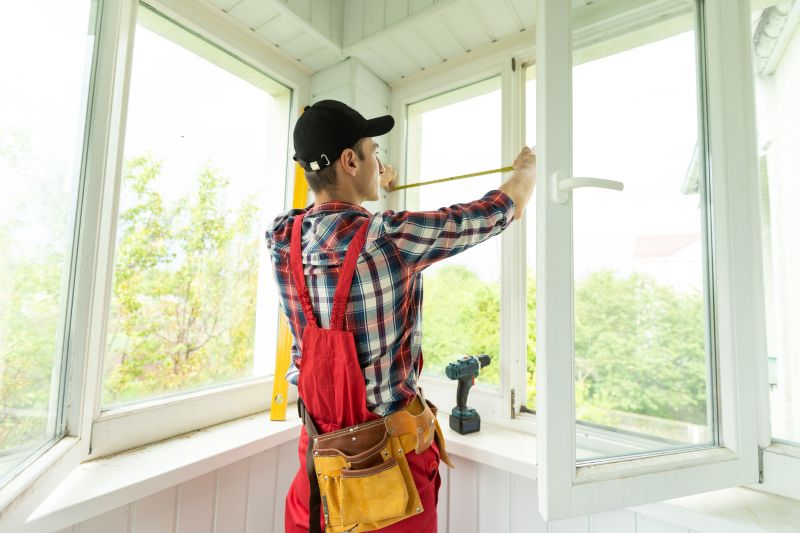
Little measurements that prevent headaches on Gradings day.

A 60-second routine that keeps Gradings looking new.
A frequent mistake in Gradings and how to dodge it.

Small tweaks to make Gradings safer and easier to use.
Understanding the optimal timing for grading can lead to better project outcomes, reduced costs, and improved safety. Consulting with experienced professionals can help determine the most suitable schedule based on specific project requirements and local conditions.
Interested in scheduling a grading project? Fill out the contact form to discuss options and timelines.